
Flowers
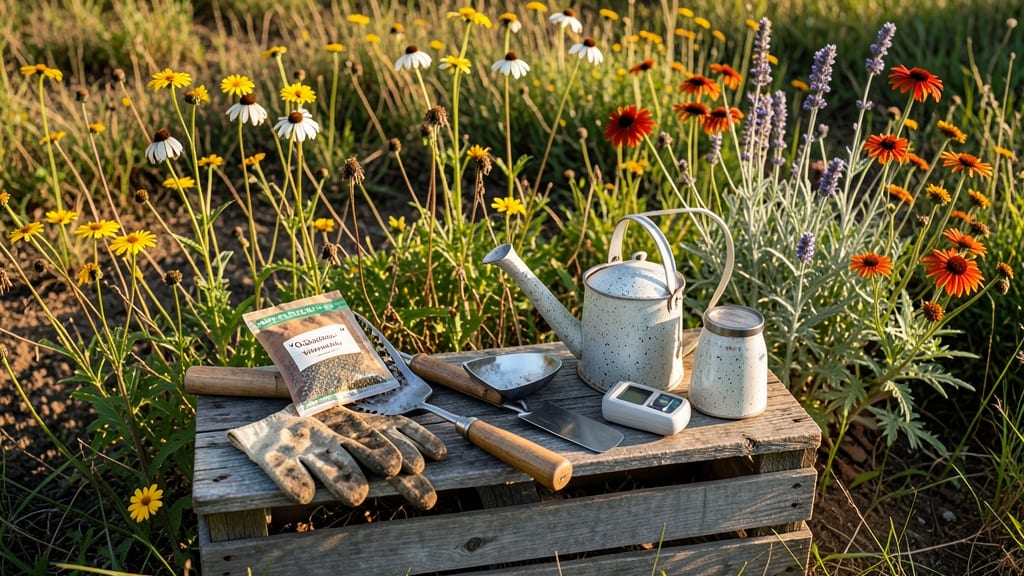
Planting wildflowers in Oklahoma between late September and early April ensures vibrant blooms and strong root systems 🌼 — but timing matters more than you'd think.
Miss the window, and you risk weak seedlings or summer stress. In USDA Zones 7a and 7b, fall planting (September-October) gives roots time to establish before winter, while spring planting (February-April) avoids heat shock.
This guide breaks down the exact deadlines by region, soil prep tips, and the best native species for Oklahoma's climate—so you can skip the guesswork and get those meadows thriving.
From frost dates to microclimate adjustments, you'll learn how to plant for peak blooms, drought resistance, and pollinator-friendly gardens that last for years.
Oklahoma wildflower planting deadlines by month for zones 7a/7b
Timing your wildflower planting in USDA Zones 7a/7b makes the difference between a lush, pollinator-friendly meadow and a disappointing, sparse display. Oklahoma’s last frost dates (mid-March) and first frost dates (mid-November) create two prime windows: fall and spring.
Plant too early, and seeds may rot; too late, and young plants won’t establish before winter’s chill or summer’s heat.
Fall planting is my top recommendation for Oklahoma wildflowers. Cooler soil temperatures and consistent moisture give seeds the perfect start. Spring planting is riskier but works if you’re patient and monitor soil temperatures closely. Let’s break down the month-by-month deadlines to ensure your wildflowers thrive from seed to bloom.
🌱 Key Tip: Always check your local last frost date—it can vary by 1-2 weeks even within the same zone. Use the National Weather Service or Old Farmer’s Almanac for your specific county.
For fall planting, aim to sow seeds 4-6 weeks before the first frost (typically by mid-October). This gives seeds time to germinate and develop small roots before winter dormancy. If you’re planting transplants, stick to September—any later, and they may not root before frost.
Spring planting is trickier. Transplants can go in as early as late February, but seeds need to wait until soil temperatures hit 55°F (13°C), usually by mid-March. Planting too early means seeds may rot, while planting too late risks summer heat stress before blooms appear.
Pro tip: Use a soil thermometer to check temperatures. Wildflower seeds typically need 60-70°F (15-21°C
Best wildflower species for Oklahoma’s climate and their ideal planting times
Oklahoma’s native wildflowers thrive when planted at the right time, and choosing the right species can mean the difference between a drought-resistant meadow and a struggling garden.
The state’s humid subtropical and semi-arid regions demand species that handle heat, poor soil, and occasional dry spells—like Black-eyed Susans and Purple Coneflowers.
Timing your planting aligns with Oklahoma’s frost-free windows (typically March to November) and soil temperatures. Fall planting (September-October) gives roots a head start, while spring (February-April) avoids summer stress. Let’s dive into the top 5 wildflowers for Oklahoma and their perfect planting schedules.
- Black-eyed Susan (Rudbeckia hirta) — Plant in September-October for spring blooms. Thrives in full sun and drought conditions once established. 🌻
- Purple Coneflower (Echinacea purpurea) — Sow seeds in March-April or plant transplants in September. Loves well-draining soil and attracts pollinators all summer. 🐝
- Blazing Star (Liatris spicata) — Best planted in September for late-summer blooms. Prefers sandy or rocky soil and full sun. Ideal for drought-prone areas. ✨
- Coreopsis (Coreopsis spp.) — Direct-sow in March or September. Handles poor soil and heat stress better than most wildflowers. Blooms spring to fall. 🌼
- Indian Blanket (Gaillardia pulchella) — Plant in September-October for year-round color. Tolerates clay soil and foot traffic. Perfect for border plantings. 🎨
For maximum pollinator attraction, pair these wildflowers with native grasses like Little Bluestem or Switchgrass. These combinations create ecosystem-friendly meadows that support bees, butterflies, and birds year-round. Just remember: avoid fertilizers—wildflowers thrive in low-nutrient conditions.
If you’re in western Oklahoma’s drier regions, prioritize Blazing Star and Indian Blanket—they’re the most drought-tolerant. In eastern Oklahoma’s richer soils, Black-eyed Susans and Coneflowers will flourish with minimal care. The key is matching species to microclimates and planting at the right time.
Start with small test plots (10x10 feet) to refine your timing and species mix. Once you’ve nailed the deadlines, expand your meadow for a low-maintenance, high-impact garden that blooms from spring to fall. Happy planting! 🌿