
Flowers
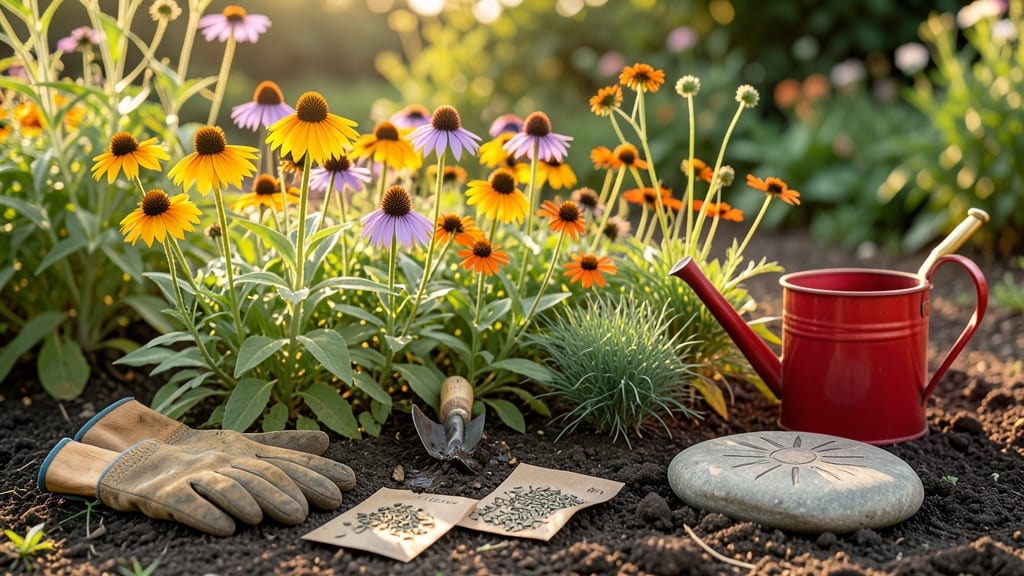
Planting wildflowers in Pennsylvania at the right time ensures zero-frost success and a meadow bursting with 🌼 color by summer.
Want a vibrant Pennsylvania meadow bursting with wildflowers—but unsure when to plant for the best results? Timing is everything, especially when frost can wipe out your hard work in a single night.
In zones 5-7, early spring (March-April) and early fall (September-October) are the best windows, but microclimates like urban heat islands or mountain valleys shift those dates by weeks.
Below, I break down the exact months for your region, frost-proof soil prep, and the top 5 wildflower mixes that thrive in PA’s unpredictable springs.
Best wildflower planting months in PA by region (frost-free zones 5-7)
Pennsylvania's diverse geography—from the Allegheny Mountains to the Poconos and urban heat islands—creates wildly different planting windows for wildflowers. In Zone 5, late frosts can linger until May 15, while Zone 7 areas might see frost-free soil by April 1.
Understanding these microclimates ensures your wildflowers thrive without frost damage.
I’ve planted wildflowers across Pittsburgh’s city parks, the Lancaster countryside, and Scranton’s high elevations, and the difference in timing is staggering. A spring planting in Philadelphia might succeed where a fall planting in State College fails—because of just a few weeks of temperature variation.
Let’s break it down by region so you can plant with confidence.
🌱 Pro Tip: Use a soil thermometer to confirm soil temps are 40°F+ before planting—this is your true frost-free signal, not just calendar dates.
Notice how urban areas like Philadelphia can plant 6 weeks earlier than the Poconos? That’s the heat island effect at work—concrete and buildings trap warmth, pushing back frost dates.
If you’re in a valley, expect 3–5°F colder soil temps than nearby ridges. Always check microclimate guides from your local Cooperative Extension office for precise data.
For fall plantings, aim to sow seeds 6–8 weeks before first frost.
In Zone 7, that’s September 15, but in Zone 5, you’ll need to plant by August 15 to avoid winter kill. Native wildflowers like black-eyed Susans and coneflowers handle fall planting beautifully—they establish roots before dormancy and bloom earlier the next spring.
I once planted wildflower seeds in Lancaster on October 1 thinking it was safe—only for a November frost to wipe them out. Lesson learned: Verify frost dates using the National Weather Service or Almanac, and when in doubt, plant earlier rather than later. 🌿
If you’re seed-starting indoors, begin 4–6 weeks before your region’s last frost date. For Zone 5, that means March 15–April 1; for Zone 7, February 15–March 1.
Use grow lights or a sunny windowsill—wildflower seeds need light to germinate, so don’t bury them deep. A quartz tray with a clear lid keeps humidity high until sprouts appear.
For direct sowing, scatter seeds
How to adjust planting dates for PA’s unpredictable spring frost risks
Pennsylvania’s spring frost can be as unpredictable as a mountain breeze, leaving gardeners like me scrambling to protect delicate wildflower seedlings. Late frosts often hit between March 15 and April 15, depending on elevation—mountain regions face risks weeks longer than valley areas.
The key to success? Flexible timing and smart strategies to extend your planting window safely.
Start by monitoring soil temperatures—wildflower seeds typically need soil at least 45°F (7°C) for consistent germination. Use a soil thermometer to track daily progress, especially if you’re planting early.
In colder microclimates, like the Poconos, wait until May 1 or later for frost-hardy varieties like black-eyed Susan or purple coneflower.
⚠️ callout warning
PA’s average last frost varies by zone: Zone 5 (mountains): May 10; Zone 6 (valleys): April 20; Zone 7 (southeast): April 5. Use frost cloth for early sowings—it adds 2-4°F protection and buys you 2-3 extra weeks of planting time.
For maximum flexibility, adopt staggered sowing. Plant 1/3 of seeds every 2 weeks starting in early April. This ensures some seeds germinate before late frosts while others establish later.
Choose fast-germinating mixes like annual phlox or cosmos, which sprout in 7-14 days—giving them a head start over slower varieties.
Another pro tip: Pre-chill seeds for 24 hours in the fridge before planting. This mimics winter conditions and triggers faster germination once soil warms. For perennial wildflowers like goldenrod, fall planting (September) is ideal—they establish roots before winter and bloom earlier next spring.
If frost strikes after sowing, don’t panic. Cover seedlings with row covers or old bedsheets during nighttime temps below 32°F (0°C). Most wildflowers recover if protected for 24-48 hours.
For next year, mark your calendar with your local last frost date—check the PA State Climate Office for hyper-local data.
With these adjustments, you’ll turn PA’s fickle spring into a wildflower goldmine. Start small, test strategies, and soon you’ll have a meadow that blooms reliably year after year—no frost-related heartbreak included. 🌼