
Flowers
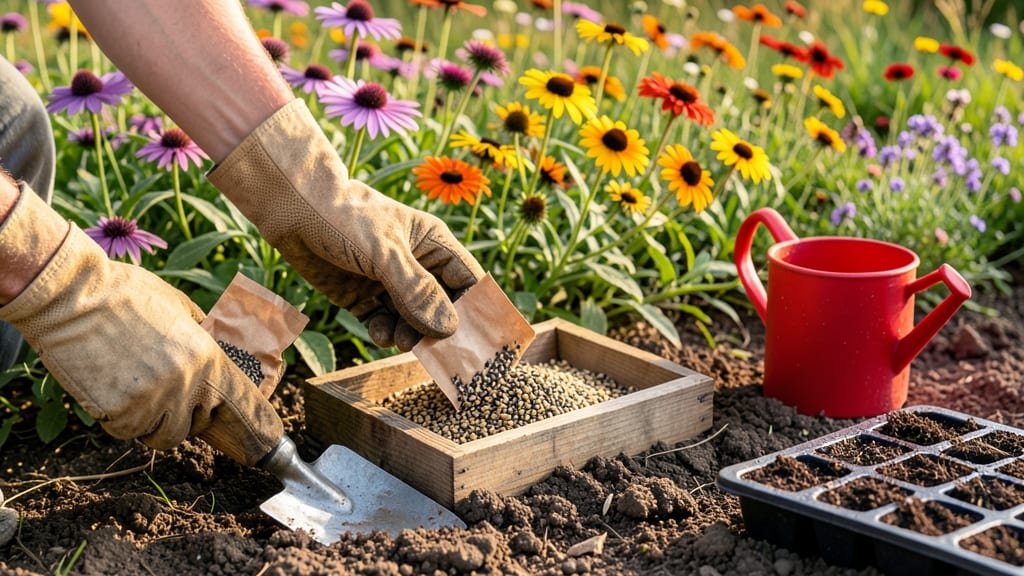
Planting wildflowers in Tennessee at the right time means the difference between a meadow bursting with color and a patch of dirt by summer.
Tennessee’s diverse climate—from the Smoky Mountains to the Nashville Basin—creates the perfect stage for 🌼 wildflowers, but timing is everything to ensure vibrant blooms year after year.
Planting at the wrong time can mean sparse flowers or missed seasonal color, so knowing the ideal window for USDA Zone 7a is critical.
Whether you’re sowing seeds in late winter for spring blooms or preparing for fall plantings, the key is working with your local frost dates and soil conditions. Some species, like black-eyed Susans, thrive when planted in early spring, while others, such as poppies, prefer a fall start.
In this guide, I’ll break down the best months to plant by season, how to adjust for Tennessee’s microclimates, and the top wildflowers that will keep your garden in bloom from spring through fall.
Best planting months for Tennessee wildflowers by seasonal type
Tennessee’s USDA Zone 7a climate offers the perfect conditions for wildflowers, but planting timing directly impacts their success. Spring-bloomers like black-eyed Susans and coneflowers thrive when sown early, while summer varieties such as sunflowers and zinnias need warmer soil to germinate.
Understanding these seasonal windows ensures your garden bursts with color when you want it most.
For fall/winter wildflowers, including poppies and lupines, the key is planting 6-8 weeks before first frost—typically in August or early September. These varieties establish roots before winter, then bloom spectacularly in early spring.
Meanwhile, spring-blooming perennials like bee balm and coreopsis benefit from late winter sowing (February-March) to avoid summer heat stress.
Soil temperature is a critical factor in Tennessee. Most wildflower seeds require soil temps of at least 60°F to germinate. In Zone 7a, this usually aligns with mid-April to early May for spring plantings. For summer varieties, wait until late May or June when soil has warmed further. Moisture levels also play a role—consistent but not soggy conditions are ideal for seedling establishment.
Here’s a quick reference for planting windows based on bloom season and Tennessee’s climate:
| Seasonal Type | Ideal Planting Months | Soil Temp Requirement | Bloom Season | Tennessee Examples |
|---|---|---|---|---|
| Spring-Blooming | February-March | 50-60°F | April-June | Black-eyed Susan, Coneflower, Bee Balm |
| Summer-Blooming | Late May-June | 60-70°F | June-August | Sunflower, Zinnia, Coreopsis |
| Fall/Winter | August-September | 55-65°F | September-November (or next spring) | Poppy, Lupine, Aster |
| Perennial (Multi-Season) | February-March or August-September | 50-70°F | Spring & Fall | Goldenrod, Butterfly Weed, Phlox |
For spring-blooming wildflowers, aim to sow seeds 4-6 weeks before last frost, which in Nashville (Zone 7a) typically falls around March 15.
This timing ensures seeds germinate as soil warms, giving seedlings enough time to establish before summer heat arrives. Black-eyed Susans and coneflowers are particularly forgiving, tolerating partial shade once established, making them ideal for woodland edges or under trees.
When planting summer varieties, wait until after Memorial Day (late May) to avoid early-season frosts that can damage tender seedlings. Sunflowers and zinnias thrive in full sun and well-draining soil, so amend clay-heavy Tennessee soils with compost or sand to improve drainage.
These varieties also benefit from staggered planting—sow a portion every 2 weeks to extend the bloom season from June through September.
Fall plantings offer a second chance for wildflower success in Tennessee. By sowing poppies or lupines in August or early September, you give seeds time to germinate before winter dormancy. These cool-season wildflowers often produce more robust blooms the following spring because they avoid summer heat stress.
Plus, they attract early pollinators like bees and butterflies when few other flowers are in bloom.
One common mistake in Tennessee is planting too early without considering frost dates. Seeds sown in January or February may rot in cold, wet soil or emerge too early to survive late frosts.
Always check your local frost-free date—in Memphis (Zone 7b), it’s often 2 weeks earlier than in the Smoky Mountains. Adjust accordingly by using row covers or waiting until soil temps consistently stay above 50°F.
To maximize wildflower diversity, consider mixed planting strategies. For example, pair spring-blooming coneflowers with summer zinnias and fall asters to create a continuous bloom cycle. This approach not only extends your garden’s visual appeal but also supports pollinators year-round.
Just remember to deadhead spent blooms regularly to encourage reblooming and prevent self-seeding where you don’t want it.
Finally, watering habits change with the seasons. New seedlings need consistent moisture (about 1 inch per week), but established wildflowers are drought-tolerant. Once rooted, reduce watering to every 10-14 days
How to adjust planting timing for Tennessee’s microclimates
Tennessee’s microclimates can shift planting windows by weeks, especially when comparing the Smoky Mountains to the Nashville Basin. In cooler mountain regions like Zone 6a, frost lingers until mid-April, while Memphis (Zone 7b) sees last frosts by March 15.
These differences mean your wildflower timing must adapt to avoid frost damage or missed blooms.
For example, spring-blooming wildflowers like black-eyed Susans should go in March-April in Nashville but wait until late April in the mountains. Meanwhile, fall-planted poppies thrive when sown 6-8 weeks before first frost, which could mean September 15 in Nashville versus October 1 in higher elevations.
| Region | Last Frost Date | Spring Planting Window | Fall Planting Window | Soil Prep Tip |
|---|---|---|---|---|
| East Tennessee (Mountains) | Mid-April | Late April - Early May | September 15 - October 1 | Amend clay-heavy soil with compost |
| Middle Tennessee (Nashville) | March 15 | March - Early April | August 20 - September 15 | Test soil pH (aim for 6.0-7.0) |
| West Tennessee (Memphis) | March 1 | February - March | August 1 - August 20 | Add organic matter to sandy soils |
To extend your bloom season, use staggered planting. For instance, sow 50% of seeds in spring and the rest in early summer. This ensures continuous color from May through October, even if some varieties bloom briefly.
For example, zinnias planted in June will flower when early spring varieties fade.
Adjust watering too—sandy soils in West Tennessee dry faster than clay soils in East Tennessee. After planting, keep seeds moist with daily misting until germination, then taper to weekly deep watering.
Mulch with straw to retain moisture and suppress weeds, which is especially critical in hot river valleys like the Mississippi embayment.
Native wildflowers like purple coneflower and butterfly milkweed handle Tennessee’s extremes better than non-natives. Pair them with deep-rooted grasses like little bluestem to improve soil structure in heavy clay areas. These combinations create resilient meadows that thrive across the state’s diverse conditions.
For mountain gardens, prioritize cool-season wildflowers like lupines and columbines, while river valley gardens shine with heat-tolerant sunflowers and coreopsis. By matching species to your microclimate, you’ll enjoy year-round interest with minimal effort.