
Flowers
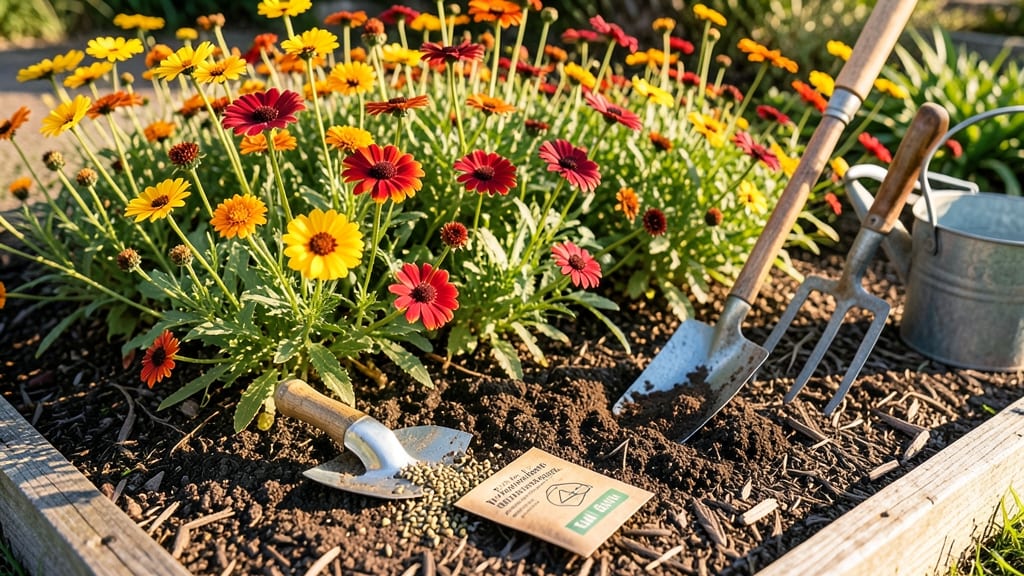
Planting wildflowers in Florida at the right time means year-round blooms that turn your yard into a pollinator paradise 🌼 — but get it wrong, and you might end up with a patch of dirt instead of color.
Florida’s warm climate makes wildflowers a year-round possibility, but timing is everything for vibrant meadows that attract pollinators and add color to your landscape. Whether you're in North Florida’s USDA Zone 8b or South Florida’s Zone 10a, knowing when to plant ensures your wildflowers thrive.
Fall and spring are the best windows for most native species, but summer and even winter can work with the right choices. I’ll break down the ideal months for each Florida region, plus soil prep tips to give your wildflowers the best start.
By the end, you’ll know exactly when to plant for continuous blooms, which native wildflowers perform best in your zone, and how to keep them flourishing with minimal effort.
Best planting months for Florida wildflowers by season
Florida’s year-round growing season means wildflowers can bloom almost anytime, but timing still matters for vibrant displays.
In USDA Zones 8b-10a, the best planting windows align with natural rainfall patterns and temperature shifts. Fall and spring are the gold standards, but summer and winter offer opportunities too—if you know the tricks.
For spring planting, focus on February through April when soil warms but summer heat hasn’t peaked. This window gives seeds time to germinate before June’s intense sun and humidity spikes.
Native species like Coreopsis and Blanket Flower thrive when planted in these months, rewarding you with summer-long color.
Here’s your seasonal planting guide for Florida wildflowers, broken down by optimal months, soil prep, and care tips:
While spring and fall dominate the planting calendar, summer offers niche opportunities for heat-loving wildflowers like Mexican Sunflower and Lantana.
These species thrive in June and July when temperatures soar, but they require extra mulch and deep watering to survive Florida’s summer intensity. Winter planting is limited to North Florida’s cooler zones (8b)—avoid it in South Florida’s frost-free Zone 10a.
For maximum blooms, I recommend staggered planting—sow 20% of seeds in spring, 50% in fall, and 30% in early summer for continuous color.
This mimics nature’s pollinator-friendly succession and ensures your meadow never looks bare. Native wildflowers are the easiest to time correctly because they’re adapted to Florida’s rainfall rhythms.
One critical mistake gardeners make is planting too late in summer when hurricane season (June–November) can uproot seedlings.
If you must plant in late summer, choose low-growing species like Partridge Pea and use windbreaks to protect young plants. Fall planting, however, is my top recommendation—it gives seeds time to establish before winter rains and spring blooms.
Pro tip: Pre-soak wildflower seeds for 24 hours before planting to improve germination rates. Florida’s sandy soils can be challenging, so mixing seeds with compost or coconut coir helps them stay in place.
For large meadows, use a seed spreader to ensure even distribution—uneven planting leads to patchy blooms.
Remember, pollinators thrive on diversity. Plant a mix of early, mid, and late-season bloomers to keep bees, butterflies, and hummingbirds visiting all year. In South Florida, you can even plant year-round with minimal care, while North Florida gardeners should focus on fall and early spring for best results.
Start small if you’re new to wildflowers—try a 10x10-foot patch with a mix of Coreopsis and Blanket Flower. Once you see how easy they are to grow, you’ll want to expand!
The key is patience—some wildflowers take 60–90 days to bloom, but the wait is worth it for a low-maintenance, high-reward garden that hums with life.
How to extend wildflower blooms year-round in Florida’s climate
Florida’s year-round growing potential means you can enjoy wildflower blooms in every season—but only if you plant strategically. The key is staggered planting and choosing varieties that thrive in different temperatures. I’ve learned that mixing spring, summer, and fall bloomers creates a continuous color show, even during Florida’s mild winters.
Start by selecting drought-resistant native species like Coreopsis and Blanket Flower, which handle Florida’s heat and occasional dry spells. These plants also attract butterflies and bees, turning your garden into a pollinator hotspot.
The secret to year-round blooms lies in soil prep and watering schedules tailored to each season.
🌱 5 Key Strategies for Continuous Wildflower Blooms
- Stagger planting by 4-6 weeks to ensure overlapping blooms (e.g., plant spring varieties in January and fall bloomers in July).
- Use mulch (2-3 inches) to retain moisture and regulate soil temperature year-round.
- Choose native perennials like Black-Eyed Susan that rebloom naturally after deadheading.
- Water deeply once weekly during dry spells (spring/summer) but reduce to bi-weekly in fall/winter.
- Pair wildflowers with companion grasses like Muha grass to reduce competition and improve soil health.
For spring blooms, plant annuals like Mexican Sunflower in late winter (February) when temperatures stabilize above 60°F. These varieties explode with color by March and continue through summer. In summer’s heat, focus on heat-tolerant species like Firewheel (Gaillardia), which thrives in Florida’s 90°F+ temperatures with minimal water.
Fall is the golden window for planting perennials and biennials like Aster and Goldenrod. These species establish roots before winter and reward you with early spring blooms.
I’ve seen winter color from Christmas Aster planted in October—proof that Florida’s cooler months can still be vibrant with the right choices.
Don’t overlook companion planting! Pairing wildflowers with clover or legumes adds nitrogen to the soil naturally, reducing the need for fertilizers. For example, Partridge Pea fixes nitrogen while providing spring blooms and summer seed pods that attract birds. This technique keeps your wildflower meadow self-sustaining and colorful.
Finally, deadhead spent blooms regularly to encourage reblooming, especially with annual varieties. In Florida’s climate, this simple step can extend blooming seasons by 30-50%. Combine these strategies, and you’ll have a year-round wildflower spectacle that outshines any seasonal garden.