
Propagation
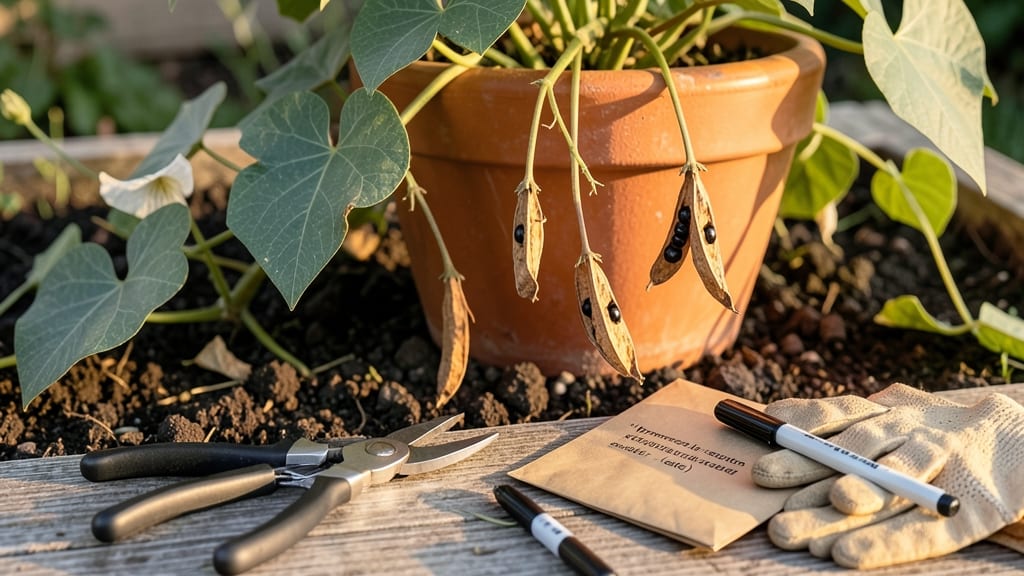
To harvest moonflower seeds at the best time, watch for pods that turn brown and begin splitting open naturally—this signals peak viability and the easiest extraction.
Moonflowers 🌙 burst into ethereal white blooms under moonlight, but their magic doesn’t end there—harvesting their seeds unlocks a treasure trove for next year’s garden. Timing and technique make all the difference between viable seeds and wasted effort.
If you’ve ever missed the window and ended up with shriveled seeds, you know how critical this step is. The right approach ensures 90%+ germination rates, saving you time and frustration.
In this guide, I’ll walk you through identifying ripe pods, the gentle extraction process, drying protocols, and storage tips to keep your seeds ready for planting next spring.
When to harvest moonflower seeds for maximum germination success
Timing is everything when harvesting moonflower seeds (Ipomoea alba), and getting it right ensures 90%+ germination rates. These night-blooming beauties follow a predictable life cycle, but missing the peak harvest window can mean wasted effort.
The key lies in watching the seed pods transition from green to brown—this signals the perfect moment to collect seeds before they scatter naturally.
Moonflowers typically bloom from June to August, with seed pods forming shortly after. The harvest window opens in late summer to early fall (August-September in most USDA zones 6-10), when pods mature.
But don’t wait too long—once the pods split open, seeds will disperse, leaving you with nothing to save for next season.
| Stage | Visual Cues | Action | Germination Potential |
|---|---|---|---|
| Post-Bloom (4-6 weeks) | Green pods, firm to touch | Monitor daily | Not ready |
| Early Maturity (8-10 weeks) | Pods turn brown, seeds still white | Wait 1-2 weeks | Low viability |
| Peak Harvest (10-12 weeks) | Fully brown pods, seeds dark and rattling | Harvest immediately | 90%+ viability |
| Overripe (12+ weeks) | Pods split open, seeds scattered | Too late | 0% viability |
Climate plays a crucial role in moonflower seed maturation. In hot, dry regions, pods mature faster—sometimes in just 8-10 weeks—while cooler zones may take 12+ weeks. Watch for morning dew on pods; if they’re dry by midday, they’re likely ready.
Humidity can also affect timing—high humidity may cause premature pod splitting, so harvest earlier in these conditions.
One of my biggest mistakes was waiting too long, assuming pods would stay intact. By the time I noticed they’d cracked open, seeds were already scattered across the garden.
Now, I check pods every 2-3 days starting in early August. A simple gentle squeeze test helps: if the pod feels dry and papery with no give, it’s harvest-ready.
For high-altitude gardens (above 5,000 ft), expect a 2-3 week delay in pod maturation due to cooler temperatures. In these areas, start monitoring pods in mid-August instead of early August.
The first frost date is another critical factor—if frost is forecast before pods mature, consider hand-pollinating flowers earlier in the season to jumpstart seed development.
Don’t overlook the leaf color as a secondary cue. As pods mature, the vine’s leaves will begin yellowing and dying back—nature’s signal that energy is shifting to seed production.
This is your final warning: harvest within 3-5 days of noticing significant leaf drop to avoid losing seeds to wind or wildlife.
Pro tip: Use a paper bag to collect pods directly from the vine. Hang the bag in a dry, shaded spot for 1-2 weeks to complete the drying process. This prevents mold growth while ensuring seeds fully mature. Avoid plastic bags—condensation inside can ruin your harvest.
If you’re in a tropical or subtropical climate, moonflowers may produce seeds year-round, but the best germination rates still come from seeds harvested in fall. These seeds have undergone a natural drying cycle, making them more resilient for storage.
In contrast, spring-harvested seeds (from overwintered plants) often have lower viability due to inconsistent drying conditions.
Remember, patience is key. Rushing the harvest by picking pods too early results in underdeveloped seeds that won’t germinate. Conversely, waiting too long means scattered seeds and lost potential. Mastering this timing ensures you’ll have a bountiful supply of moonflower seeds ready for next season’s garden.
Step-by-step moonflower seed harvesting techniques for beginners
Harvesting moonflower seeds is simpler than it seems—once you know the key visual cues and timing. The secret lies in watching for brown, dry pods that begin splitting naturally. These pods signal that the seeds inside are fully mature and ready for collection, ensuring high germination rates for next season.
Moonflower pods start green and firm, but as they ripen, they turn tan or light brown and develop slight cracks. If you wait too long, the pods may burst open on their own, scattering seeds everywhere.
The goal is to harvest them just as they’re ready—when they’re dry but not yet open.
Step-by-Step Moonflower Seed Harvesting
- 1 Identify ripe pods: Look for brown, dry pods that feel papery to the touch. Avoid green or firm pods—they’re not ready yet.
- 2 Harvest gently: Use clean pruning shears or your hands to snip pods from the vine. Place them in a paper bag to prevent moisture buildup.
- 3 Extract seeds: Open pods carefully over a clean surface (like a tray) to collect seeds. Discard any discolored or shriveled seeds immediately.
- 4 Dry seeds: Spread seeds on a screen or mesh in a dry, shaded area for 1-2 weeks. Stir occasionally to ensure even drying.
- 5 Store properly: Keep dried seeds in a paper envelope or glass jar with a desiccant packet in a cool, dark place for up to 2 years.
One of the biggest mistakes beginners make is harvesting pods that are too green or too dry. Overly green pods yield seeds that won’t germinate, while pods that are completely open often scatter seeds before you can collect them.
Aim for pods that are brown and slightly cracked—this is your sweet spot.
After drying, test a few seeds by placing them between damp paper towels. If they sprout within 7-10 days, your seeds are viable and ready for planting. Store the rest in a cool, dry place to preserve their quality for future seasons.
With these techniques, you’ll enjoy lush moonflower blooms year after year—all from seeds you harvested yourself! 🌙