
Flowers
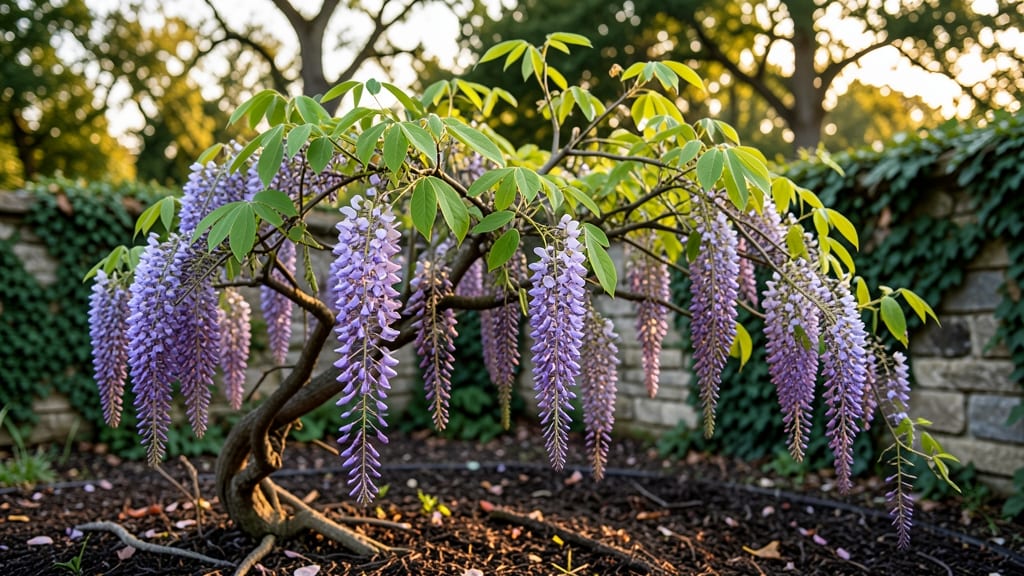
Wisteria flowers bloom in late spring, typically between April and June, when the air fills with their intoxicating fragrance and vines burst into cascading clusters of purple, white, or blue 🌸.
Wisteria vines transform gardens into fragrant, cascading masterpieces—but only if you know their exact bloom times. Miss the window, and you’ll wait another year for those stunning blossoms.
Timing depends on your USDA zone, variety, and even how you prune. In cooler climates like Zone 6a, blooms often arrive in May, while warmer regions may see flowers as early as March.
Below, I’ll break down the exact months for your hardiness zone, the best varieties for your climate, and simple tricks to coax earlier—or longer—blooms from your vines.
Wisteria bloom times by USDA hardiness zone: month-by-month guide
Timing your wisteria blooms correctly means catching those fragrant purple cascades at their peak. The USDA hardiness zone you live in dramatically shifts when your vines will burst into color—sometimes by months.
In colder zones like 5-6, buds often wait until late April to open, while southern gardens in zone 9 may see flowers as early as March. Understanding these patterns helps you plan trellises, pruning, and even photography shoots around bloom windows.
Wisteria flowers bloom on old wood, meaning last year’s growth produces this year’s blooms. This biological quirk explains why aggressive pruning can delay flowers for 1-2 years.
In my zone 7 garden, I’ve learned to prune lightly in late winter—just enough to shape the vine without sacrificing next year’s raceme clusters. The key is balancing structure and blooms, especially for varieties like Amethyst Falls that produce 12-inch flower spikes.
Here’s the critical data you need to plan your garden’s wisteria spectacle by zone:
Notice how zone 9 wisterias often bloom in February—sometimes even before daffodils! This early start gives southern gardeners a 2-month head start on northern growers. However, heat waves in April-May can cause buds to drop prematurely.
I’ve seen this happen with my Amethyst Falls vine when temperatures hit 90°F too soon. Shade cloth during bud set can help preserve those fragrant racemes.
Climate plays tricks beyond just temperature. Humidity levels also affect bloom timing—drier climates like zone 7b often see later blooms because wisteria needs consistent moisture to set buds. In my humid zone 8a garden, I’ve found that regular deep watering in late winter (before buds swell) encourages earlier blooms.
Aim for 1-2 inches of water weekly during this critical period.
Another factor? Variety selection. Not all wisterias bloom at the same time. Japanese wisteria (Wisteria floribunda) typically blooms 2-3 weeks earlier than Chinese wisteria (Wisteria sinensis). If you’re in zone 6 and want May blooms, choose Amethyst Falls or Royal Purple.
For zone 9 gardeners chasing February flowers, Prolific or Black Dragon are top picks.
Pruning timing also shifts bloom windows. If you prune too late (after buds form), you’ll delay blooms by 1-2 years. My
Top 5 wisteria varieties ranked by bloom season & color
Choosing the right wisteria variety means knowing when those fragrant blooms will appear. Some burst into color in early spring, while others wait until late spring. Let’s compare the top 5 cultivars based on bloom season, color intensity, and fragrance—plus their ideal growing conditions.
Whether you crave vibrant purples or delicate white blossoms, there’s a wisteria for your garden’s timing and style.
I’ve ranked these varieties by their peak bloom months, fragrance strength, and hardiness. For example, Amethyst Falls is a showstopper with prolonged blooming from April to May, while Royal Purple delivers intense color but a shorter window in May.
Below, you’ll see how each performs in terms of bloom abundance, maintenance needs, and climate adaptability.
Amethyst Falls is my top pick for early bloomers—its lavender-blue flowers appear in April and linger into May, making it perfect for USDA Zones 5–9. This variety thrives in full sun and well-draining soil, and its strong fragrance fills the air on warm days. If you’re in a cooler climate, plant it near a south-facing wall to extend its bloom season.
Royal Purple delivers deep violet blooms in May, but its shorter bloom window means you’ll need to act fast to capture photos. It’s hardier in Zones 6–9 and handles heat well, but watch for powdery mildew in humid areas. For maximum impact, pair it with white clematis to create a contrasting cascade.
Prolific is a late-season bloomer, bursting into light purple flowers in May–June. While its fragrance is subtle, it makes up for it with prolific growth—ideal for trellises or pergolas. This variety is drought-tolerant once established, but it needs regular pruning to control its aggressive spread. I recommend summer pruning after flowering to shape it.
If you love dramatic contrast, Black Dragon offers deep purple-black flowers that bloom in June. The trade-off? It’s nearly scentless and prefers warmer climates (Zones 7–9).
Its bold color makes it a standout, but plant it where you can appreciate its foliage texture year-round. Pair it with silver-leafed plants for a striking effect.
For a classic, fragrant choice, Alba produces pure white blooms in April–May, with a sweet, intoxicating scent. It’s less aggressive than other varieties, making it great for smaller gardens or container growing.
To encourage more blooms, prune in late winter to remove old wood—this variety flowers on last year’s growth.