
Flowers
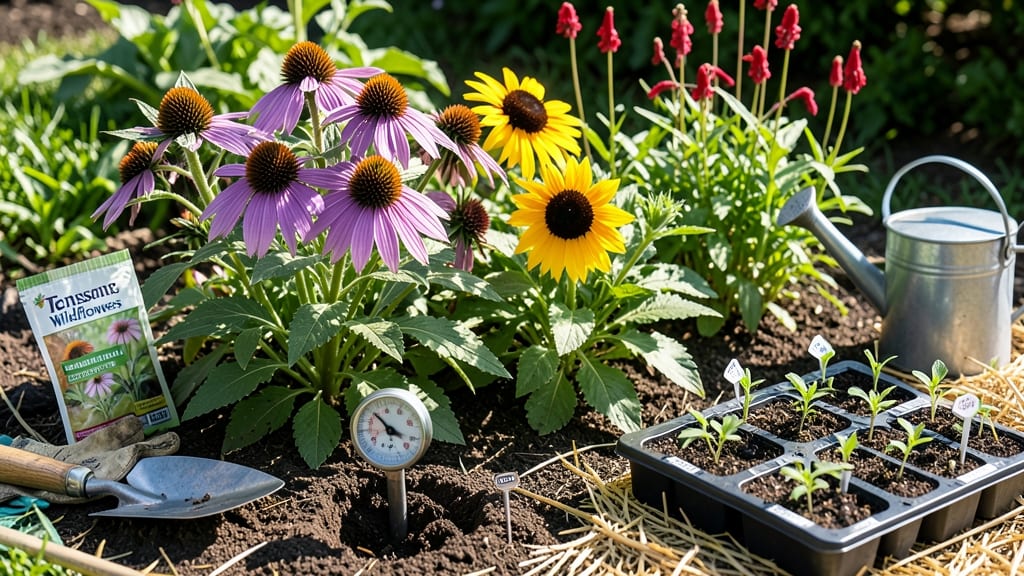
Planting flower seeds in Tennessee at the right time means the difference between a burst of color by Memorial Day and a sad, wilted patch by July.
Tennessee gardeners know timing is everything—plant flower seeds too early, and frost will wipe them out; too late, and summer’s heat arrives before blooms appear. Mastering the perfect planting window ensures vibrant gardens from spring to fall, whether you’re in Nashville’s cooler hills or Memphis’ warmer plains.
With USDA Zones 6a-7b and last frost dates ranging from mid-March to mid-April, the ideal window for most annuals like zinnias and marigolds is late February to early April, while perennials and bulbs can go in even earlier.
But don’t stop there—late summer offers a second chance for fall blooms.
Below, I break down the exact planting schedule by region, soil prep secrets, and how to adjust timelines for containers or raised beds so you never miss a bloom.
Tennessee flower seed planting calendar by USDA zone 6a/7a
Getting your flower seeds in the ground at the right time in Tennessee means the difference between a lush, blooming garden and a sad, wilted disappointment. With USDA Zones 6a/7a, you’ve got a short window between last frost dates (March 15–April 15) and scorching summer heat.
The key is knowing which cold-hardy flowers can handle early spring and which heat-loving annuals need to wait until soil warms.
I’ve planted everything from pansies that brave early spring to zinnias that thrive in summer’s heat, and I’ll share my proven schedule. Whether you’re in Nashville’s cooler hills or Memphis’ warmer plains, this calendar keeps your garden vibrant from spring to fall.
Plus, I’ll highlight succession planting tips to stretch your blooms all season long.
Pro Tip: Always check your local last frost date—it can vary by 1-2 weeks even within Tennessee. Use the UT Extension frost map for precision.
March is your golden month for spring flowers. Start with cold-hardy annuals like snapdragons and pansies, which can handle light frosts. These tough little bloomers will give you color even if April brings a surprise freeze.
I always plant mine in well-draining soil and protect them with a light frost cloth if nighttime temps dip below 28°F.
By mid-April, shift to heat-loving annuals like zinnias and marigolds. These thrive in Tennessee’s summer heat but need well-warmed soil (at least 60°F).
I test soil temp with a soil thermometer—if it’s cooler, wait another week. Succession plant zinnias every 2 weeks for continuous blooms until frost.
Don’t forget late summer planting! August is perfect for cosmos and celosia, which bloom until first frost. These drought-tolerant flowers love the heat and will reward you with vibrant colors when other plants fade.
I often direct-sow them in full sun beds with compost-amended soil for extra vigor.
For perennials, like black-eyed Susans or coneflowers, plant seeds in early spring (March–April) or late summer (August). These hardy plants establish roots before winter and return year after year. I’ve found that mulching around newly planted perennials helps retain moisture and protects roots from temperature swings.
If you’re using container gardening, adjust your timeline slightly. Pots warm up faster than garden beds, so you can plant heat-lovers like petunias 1–2 weeks earlier in spring. Just ensure containers have drainage holes and use lightweight potting mix to prevent overheating. I swear
How to extend your Tennessee flower season with succession planting
Succession planting transforms your Tennessee garden from a seasonal flash of color to a nonstop bloom parade. By staggering plantings every 2-3 weeks, you ensure flowers like zinnias and cosmos never take a break.
This method works especially well in Tennessee’s USDA Zones 6a-7b, where summer heat can quickly fade early blooms.
Think of it like a relay race: as one batch of flowers finishes its bloom cycle, the next takes over. For example, sow marigolds in March, then repeat in May and July to keep those golden faces popping up through fall.
The key is matching each planting to the bloom cycle of your chosen flowers.
Here’s my 3-step guide to planning your succession schedule based on Tennessee’s climate:
- 1
- 2
- 3
Tennessee’s last frost typically arrives between March 15-30, depending on your region. Use this as your starting point. For example, if your last frost is April 1, begin sowing heat-loving annuals like sunflowers in mid-March for early blooms.
Divide your planting into 3 batches spaced 2-3 weeks apart. For instance, plant cosmos seeds every 3 weeks from April to June—the first batch blooms in June, the second in July, and the third in August, creating a seamless transition.
For fall blooms, start sowing pansies and snapdragons in August (they thrive in cooler temps). Use container gardening for late-season varieties like calendulas, which can handle Tennessee’s September warmth better than in-ground plantings.
Don’t forget companion planting to deter pests naturally. Pair marigolds with tomatoes to repel nematodes, or plant basil near petunias to boost growth. This not only extends your bloom season but also reduces the need for chemical interventions.
For container gardening, choose compact varieties like dwarf zinnias or nasturtiums. These thrive in pots and can be moved to shadier spots as summer heat intensifies. Just ensure containers have drainage holes and use a lightweight potting mix to prevent root rot.
With these strategies, your Tennessee garden will stay vibrant from spring’s first pansies through fall’s final marigolds. The secret? Planning ahead and letting nature’s timing guide your hand. 🌻