
Flowers
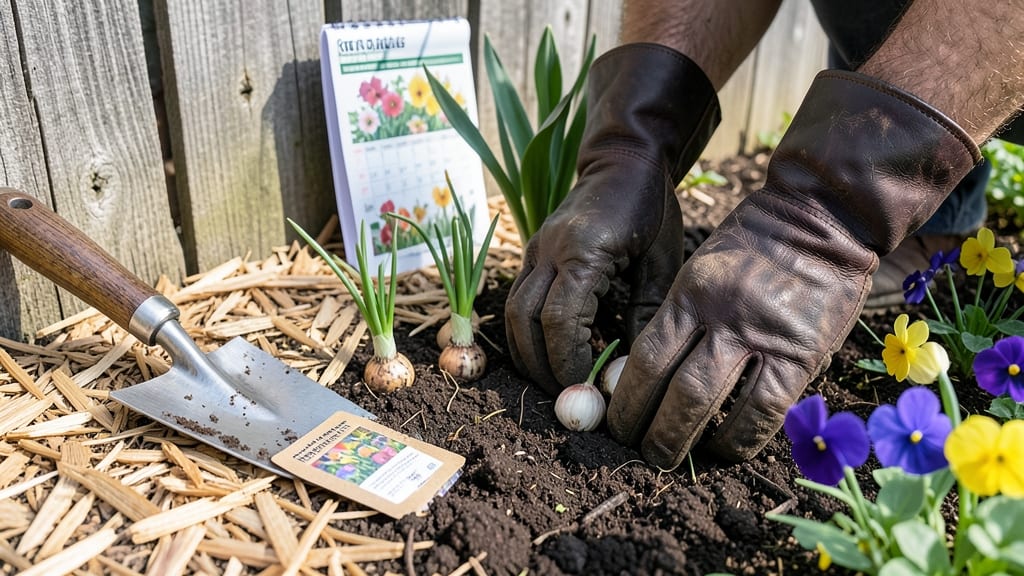
Planting flowers in Connecticut means timing your schedule to the last frost date — typically mid-to-late April for inland areas and a week later near the coast 🌸.
Here’s the catch: coastal gardens like New Haven and Stamford can wait until early May, while inland spots like Hartford or Litchfield risk frost damage if you plant too early. Get this wrong, and your summer blooms could turn into a sad, wilted mess before they even start.
Whether you’re planting annuals for instant color or perennials to return year after year, the right window makes all the difference. The key? Knowing when soil warms to 60°F and how microclimates shift your schedule by weeks.
Below, I’ll break down the exact planting dates for Connecticut’s zones, plus pro tips to stretch your season—so you’re not left scrambling when the first frost hits in October.
Connecticut flower planting calendar: coastal vs inland timing differences
Connecticut’s unique geography creates two distinct gardening zones: the cooler, more humid coastal areas (like New Haven and Stamford) and the slightly warmer inland regions (such as Hartford and Litchfield).
These differences can shift your planting timeline by 2-4 weeks, so knowing the local frost dates and microclimates is key to success. Coastal areas often experience later last frosts (mid-May vs early May inland) and earlier first frosts due to ocean breezes.
For both zones, soil temperature is your best guide—wait until it reaches 60°F at 4-inch depth before planting tender annuals. Inland areas warm up faster in spring, while coastal gardens may need row covers for early transplants.
Let’s break down the month-by-month schedule for your region, including 20+ popular flowers that thrive in Connecticut’s diverse conditions.
In coastal Connecticut, the ocean’s moderating effect delays spring planting by 1-2 weeks compared to inland areas. For example, while inland gardeners can plant petunias by mid-May, coastal gardeners should wait until late May.
The last frost date in New Haven is typically May 15, while Hartford sees its last frost by May 1. This delay also affects
How to adjust your planting schedule for Connecticut’s microclimates
Connecticut’s microclimates can shift your planting schedule by 2-4 weeks, depending on whether you’re in a coastal breeze zone or a warm inland valley. For example, Hartford’s last frost often arrives 10 days earlier than Stamford’s—so timing matters.
The key is adjusting for elevation, wind exposure, and even urban heat islands that bake soil faster.
Start by mapping your garden’s sun exposure and wind patterns. South-facing slopes warm up faster, while northern slopes may need row covers for 2-3 extra weeks of protection.
Urban areas like New Haven can be 5°F warmer than rural spots, accelerating growth—and risking frost damage if you plant too early.
- 📍 Check elevation: Add 1 day per 100 ft to frost dates for highland gardens (e.g., Litchfield Hills).
- 🌬️ Wind exposure: Delay coastal plantings by 7-10 days to avoid salt spray damage (common in Groton or Norwich).
- 🏙️ Urban heat islands: Plant 2 weeks earlier in paved areas (e.g., Bridgeton) where soil warms faster.
- 🛡️ Use row covers: Extend spring planting by 3-4 weeks for frost-sensitive flowers like petunias or geraniums.
- 🌡️ Soil temperature: Wait until soil hits 60°F (use a soil thermometer) before planting warm-season flowers like marigolds.
- 🔄 Succession plant: Stagger annuals every 2 weeks (e.g., zinnias in May, cosmos in June) for continuous blooms.
For perennials, like coneflowers or black-eyed Susans, focus on fall planting (August-September) to give roots time to establish before winter. In coastal areas, aim for early September to avoid early October frosts, while inland gardens can push to mid-October.
Extend your season with cold frames or mini greenhouses for tender annuals like begonias. These can add 4-6 weeks to your growing window, letting you plant late-summer flowers in June instead of waiting for July. Just ensure proper ventilation to prevent overheating.
Pro tip: Keep a gardening journal for 2 years to track your local frost dates and bloom times. Note which microclimate tweaks worked best—like planting pansies under tree canopies for cooler shade or sunflowers on south-facing walls for extra warmth.
By mastering these adjustments, you’ll turn Connecticut’s climate quirks into garden advantages, ensuring your flowers bloom earlier, longer, and with fewer surprises. Happy planting! 🌻