
Flowers
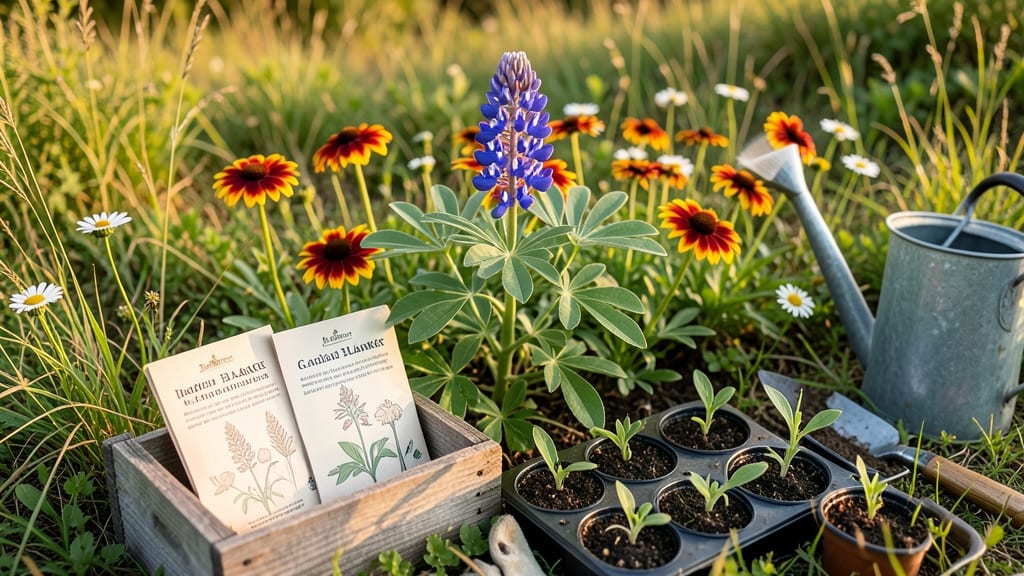
To plant flowers in Texas, aim for late February to early April in most regions, but adjust for your specific heat zone—North Texas needs to wait until after the last frost (usually mid-March), while South Texas can start as early as January.
Texas gardeners know timing is everything—plant flowers too early, and a late frost can wipe out your hard work; too late, and summer’s brutal heat zaps blooms before they even open. But with Texas’ unique heat zones and unpredictable frost dates, mastering the perfect planting window ensures vibrant gardens year-round.
Whether you’re sowing annuals like zinnias or perennials like blackfoot daisy, soil temperature and local microclimates play a bigger role than most beginners realize. A few degrees can mean the difference between thriving blooms and wilting disappointment.
Below, I break down the best months by flower type, frost-proofing tips, and how to stretch your growing season—so you can enjoy year-round color without the guesswork.
Texas heat Zone planting calendar: best months by flower type
Texas spans 10 distinct heat zones, each with unique frost-free dates and soil warming patterns. Understanding these zones helps you avoid late frosts in North Texas or scorching summer heat in South Texas.
For example, El Paso (Zone 8a) has 300 frost-free days, while Dallas (Zone 8b) averages just 200 days. This calendar aligns planting windows with your specific zone to maximize bloom success.
Annual flowers like zinnias and marigolds thrive when planted after April 15 in most zones, while perennials such as black-eyed Susans benefit from fall planting (September–November). Bulbs, including tulips and daffodils, need 6–8 weeks before the first frost to establish roots—typically planted in October–November for spring blooms.
Use this heat-zone summary table to pinpoint the best months for your favorite flowers, accounting for regional microclimates like urban heat islands (e.g., Houston) or high desert (e.g., El Paso).
Adjust for soil temperature (aim for 60°F+ for seeds) and local frost alerts to avoid common mistakes like planting pansies too early in Zone 7a.
| Flower Type | Heat Zones | Best Planting Months | Notes |
|---|---|---|---|
| Cold-Hardy Annuals (Pansies, Snapdragons) | 6a–8b (North/Central TX) | September–October (Fall) or February–March (Spring) | Avoid planting after last frost; use row covers. |
| Heat-Loving Annuals (Zinnias, Lantana) | 8a–10a (South/Central TX) | April–May (after soil warms to 60°F) | Direct-sow seeds; drought-tolerant once established. |
| Spring-Blooming Bulbs (Tulips, Daffodils) | 6a–9a (All but far South TX) | October–November (6–8 weeks before frost) | Plant in well-draining soil; mulch after planting. |
| Perennials (Black-Eyed Susans, Coneflowers) | 6a–10a (Statewide) | September–October (Fall) or March–April (Spring) | Divide clumps every 3–4 years for vigor. |
| Native Wildflowers (Mexican Sunflower, Bluebonnets) | 7a–10a (Central/South TX) | October–November (Fall) or February (Spring) | Low-water needs; attract pollinators year-round. |
For North Texas gardeners (Zones 7a–8b), prioritize fall planting for perennials and late winter/early spring for annuals. For example, Zone 7a (Amarillo) should wait until April 1 to plant heat-sensitive flowers like petunias, while Zone 8b (Dallas) can start two weeks earlier.
Always check local frost dates—a 2021 Dallas frost in March caught many off guard!
In South Texas (Zones 9a–10a), focus on summer-blooming varieties like salvia and portulaca, which thrive in 90°F+ temperatures. Plant these after Memorial Day to avoid early-season wilting. Use shade cloth for tropicals like hibiscus during peak summer heat to prevent leaf scorch.
Adjust your schedule for urban heat islands (e.g., Houston, Austin) where pavement raises temperatures by 5–10°F. Plant heat-tolerant annuals like zinnias or celosia one month earlier than rural areas. Monitor soil temperature with a soil thermometer—seeds need 60°F+ to germinate, while transplants tolerate cooler soils.
Pro tip: Use black plastic mulch in Zone 7a–8a to warm soil 5–10°F faster in spring, letting you plant marigolds or cosmos 2–3 weeks earlier. In Zone 9a–10a, mulch
How to adjust planting times for Texas’ unpredictable frost risks
Texas’ frost dates are famously unpredictable—one week you’re basking in 70°F sunshine, and the next, a 28°F freeze can turn your garden into an ice rink overnight.
In North Texas cities like Dallas, the average last frost hits around February 15, while El Paso can see frost as late as March 15. Meanwhile, South Texas (e.g., Corpus Christi) often escapes frost entirely, but early-season heat waves can be just as deadly for tender seedlings.
This unpredictability makes soil temperature your best friend. Most flower seeds need soil to warm to at least 60°F before germinating, while transplants like marigolds or petunias can handle cooler soil but still risk stunting if nighttime temps dip below 50°F.
Waiting for consistent 55°F+ nighttime temps reduces frost risk by 80%—but timing this window requires local knowledge.
Here’s the critical mistake I see most Texas gardeners make: planting too early during a false spring. Those warm January days can fool you into thinking frost is behind you—until a 20°F plunge hits in February.
Always check your local frost-free date (use the Texas A&M AgriLife Extension maps) and add 2–3 weeks of buffer for safety.
⚠️ False Spring Trap: Don’t Fall for Warm Stretches!
Problem: A 7-day warm spell in January or February can trick you into planting heat-sensitive flowers like impatiens too soon. But a single 28°F night can kill seedlings before they sprout.
Solution: Use black plastic mulch or row covers to warm soil by 5–10°F. For extra protection, start cold-hardy flowers (e.g., pansies, snapdragons) indoors 6–8 weeks before your target outdoor date.
Pro Tip: Monitor your local National Weather Service alerts for "frost watch" warnings—these are your early warnings to cover plants or delay planting.
To stretch your growing season, I recommend heat-tolerant starter plants like zinnias, lantana, or Mexican sunflower. These thrive in 90°F+ heat and can be planted as early as mid-March in North Texas or February in South Texas.
Pair them with shade cloth (30–50%) for seedlings to buy time while soil warms.
For soil warming, lay down black plastic mulch 2–3 weeks before planting. This raises soil temps by 10–15°F and suppresses weeds. In container gardens, use dark-colored pots or wrap them in bubble wrap to accelerate warming. Always remove mulch 2–3 inches from plant stems to prevent rot.
Finally, harden off transplants gradually over 7–10 days before moving them outdoors. Start with 2 hours of shade on day 1, then increase sun exposure by 1 hour daily.
This mimics Texas’ quickly changing weather and reduces shock. For frost-prone areas, keep row covers or frost cloth handy—even a light frost (32°F) can damage young blooms.
By combining local frost dates, soil warming, and heat-tolerant varieties, you’ll turn Texas’ unpredictable climate into an advantage. Your garden will bloom earlier, longer, and with fewer surprises—no more wilted dreams from a late freeze! 🌱