
Plants
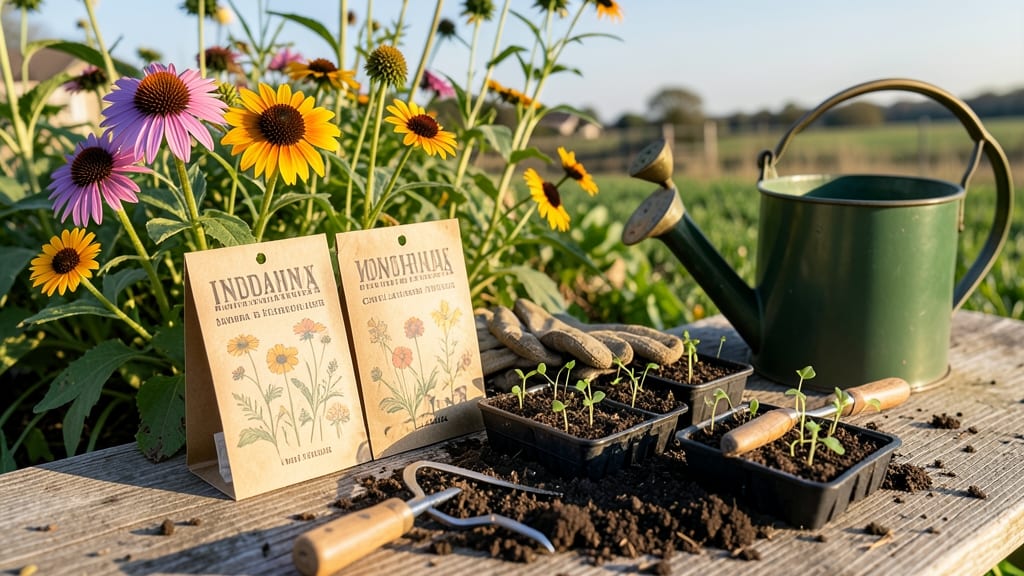
Planting wildflower seeds in Indiana at the right time means the difference between a meadow bursting with 🌼 color and a patch of dirt that never quite takes.
Indiana’s wildflowers burst into vibrant blooms when planted at the perfect time—missing the window means sparse blooms or invasive weeds taking over. Timing matters more than you think, especially in USDA Zone 6a where frost can strike early or late.
Most gardeners know spring is the go-to season, but early fall planting can actually give your wildflowers a head start in Indiana’s unpredictable climate. The key is aligning your seed drop with the last frost date—usually around April 15—or locking in seeds before the first frost hits in October.
Below, I’ll break down the exact frost-date triggers for your region, the best wildflower varieties for Indiana’s soil, and pro tips to outsmart the weather—so you end up with a pollinator paradise, not a patch of disappointment.
Indiana’s wildflower planting timeline: frost-date rules for Zone 6a
Timing your wildflower seed planting in Indiana’s Zone 6a hinges on two critical dates: your average last frost (April 15–May 1) and first frost (October 15–November 1). Northern Indiana’s cooler microclimates may shift these windows by 1–2 weeks earlier, while southern Indiana enjoys slightly longer growing seasons.
Plant too early, and frost zaps tender seedlings; too late, and summer heat stresses germinating seeds.
For spring planting, aim for late March to early April—once soil temperatures consistently reach 50°F (10°C) at 2 inches deep. This gives seeds 6–8 weeks of warm soil before summer’s peak heat.
Fall planting, meanwhile, should occur 6–8 weeks before your first frost, typically mid-August to early September, allowing seeds to germinate and establish roots before winter dormancy.
Indiana’s variable frost dates create regional nuances: Northern counties like LaPorte or Kosciusko may need to plant 2 weeks earlier than southern areas like Vanderburgh or Clark. Always check your local Almanac frost predictions or use a soil thermometer to confirm readiness.
Pro tip: Scratch-test seeds for viability before planting—many wildflower seeds require light exposure to germinate.
Native wildflowers like Black-eyed Susan (Rudbeckia hirta) and Purple Coneflower (Echinacea purpurea) thrive when planted in late spring, while winter annuals such as Sweet Alyssum (Lobularia maritima) prefer early fall sowing. Non-native varieties may need earlier spring planting to compete with Indiana’s aggressive native species.
| Planting Window | Zone 6a Northern IN | Zone 6a Southern IN | Key Conditions |
|---|---|---|---|
| Spring Planting | Late March–Early April | Early April–Mid-April | Soil 50°F+, no frost risk |
| Fall Planting | Mid-August–Early September | Late August–Mid-September | 6–8 weeks before first frost |
| Seed Germination | 3–4 weeks (spring) | 3–4 weeks (spring) | Consistent moisture, 60–70°F soil |
| Bloom Time | Late June–September | Late June–October | Full sun (6+ hours/day) |
| Avoid Planting | After May 15 (spring) | After June 1 (spring) | Summer heat stress risk |
If you’re direct-sowing seeds, prepare the soil by raking away debris and lightly scarifying compacted areas. For large seed mixes, broadcast seeds evenly and press them into the soil—no need to bury most wildflower seeds deeply.
After planting, maintain light, consistent moisture for 4–6 weeks to prevent seed desiccation. Mulch lightly with straw to retain moisture without smothering sprouts.
Indiana’s unpredictable spring weather can delay planting. If frost threatens after sowing, cover seeds with row fabric or a cloche until temperatures stabilize. Conversely, fall-planted seeds benefit from natural cold stratification, which breaks seed dormancy—just ensure they’re sown before mid-September to allow root establishment before winter.
For container gardening, start seeds indoors 4–6 weeks before your target outdoor date using well-draining seed-starting mix. Transplant seedlings outdoors after hardening off (acclimating to outdoor conditions) for 7–10 days. This method extends your planting window into early May for late bloomers like Goldenrod (Solidago spp.).
Remember: Native wildflowers support Indiana’s pollinators far better than non-native varieties. Prioritize locally adapted seeds from reputable suppliers like Prairie Moon Nursery or American Meadows. Their seed blends are pre-mixed for Zone 6a’s climate and include milkweed for monarchs and bee balm for bumblebees.
Track your local frost dates annually—they shift with climate change. Use the Old Farmer’s Almanac or your local Cooperative Extension office for updates. With precise timing, your Indiana wildflower meadow will explode with color from late spring to fall, year after year.
Best wildflower seed types for Indiana’s climate and soil
Indiana’s diverse soil types—from heavy clay in the north to sandy loam in the south—create perfect conditions for native wildflowers.
Choosing the right species ensures vibrant blooms while supporting local pollinators like bees and butterflies. Spring ephemerals like bloodroot thrive in moist clay, while drought-tolerant summer bloomers like black-eyed Susan shine in sandy soils.
For USDA Zone 6a, prioritize native wildflowers that align with Indiana’s seasonal rhythms. Avoid invasive species like Crown Vetch or Japanese Honeysuckle, which crowd out native plants.
Instead, focus on perennials like purple coneflower or annuals like cosmos for year-round color. Let’s dive into the best options for your garden’s unique conditions.
Planting Wildflower Seeds in Indiana: Pros & Cons
✅ DO Plant
- 🌱 Early Spring (March-April) after last frost (April 15)
- 🌿 Early Fall (August-September) for fall germination
- 💧 Lightly water after planting (no deep soaking)
- ☀️ Full sun (6+ hours) for best blooms
❌ DON'T Plant
- ❄️ Before last frost (seeds won’t sprout)
- 🌧️ Late fall (seeds may rot over winter)
- 🌱 Invasive species (e.g., Crown Vetch, Japanese Honeysuckle)
- 🌑 In shaded areas (reduces bloom potential)
"Fall planting gives seeds time to establish roots before winter—spring blooms will thank you!"
Start with spring-blooming wildflowers like Virginia bluebells (for moist clay soils) or wild columbine (for rocky loam). These early-season bloomers emerge before trees leaf out, ensuring they get full sunlight.
Pair them with summer favorites like black-eyed Susan (drought-tolerant) or butterfly weed (sandy soils), which thrive in USDA Zone 6a’s hotter months.
For fall color, plant goldenrod or aster varieties—their late-season blooms feed migrating monarch butterflies. These perennials return year after year, making them a low-maintenance choice.
If your soil is heavy clay, amend with compost to improve drainage; for sandy soils, mix in organic matter to retain moisture.
Avoid non-native invasives like Crown Vetch, which smothers native plants, or Japanese honeysuckle, which chokes out understory species. Instead, opt for Indiana-native mixes like partridge pea or wild bergamot. These species require minimal care once established and attract beneficial insects.
Pro tip: Mix annuals (like cosmos) with perennials (like coneflower) for continuous blooms. Annuals provide instant color, while perennials ensure long-term beauty. Always mow high (3–4 inches) in late fall to protect seed heads and overwintering pollinators.