
Flowers
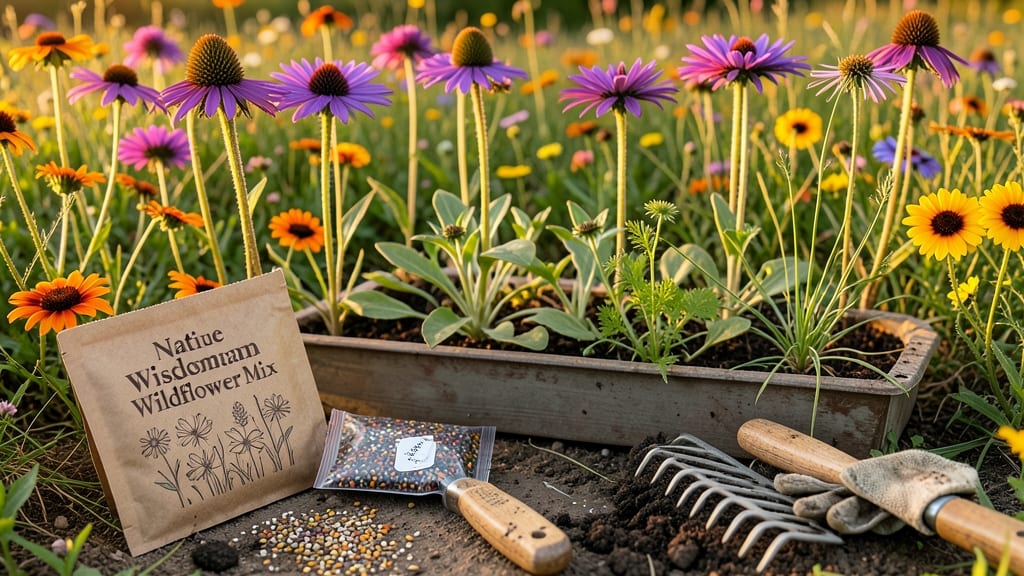
Planting wildflowers in Wisconsin at the right time means the difference between a vibrant meadow and a sad, frost-bitten disappointment.
Wisconsin’s short but vibrant growing season makes timing critical for wildflower success—plant too early, and frost will wipe them out; too late, and they’ll struggle to establish roots before winter.
Most gardeners in USDA zones 4a-6b should aim for early spring (March to April) or late summer (July to August) planting, when soil temperatures are just right for germination.
Below, I’ll break down the exact deadlines, soil prep tips, and native wildflower varieties that thrive in Wisconsin’s climate—so you can turn your yard into a pollinator paradise year-round.
Wisconsin wildflower planting deadlines by season (USDA zones 3-4)
Wisconsin’s USDA Zones 3-4 demand precision when planting wildflowers—miss the window, and you risk frost damage or poor establishment. The key is understanding soil temperature thresholds (typically 40-50°F for germination) and frost-free periods. Northern Wisconsin (Zone 3) has shorter windows than southern areas (Zone 4), so adjust deadlines accordingly.
For spring planting, aim to sow seeds 2-4 weeks before your last frost date (mid-April to early May). In Zone 3, this means starting as early as late March for cold-hardy species like wild columbine or blue-eyed grass.
Zone 4 gardeners can wait until early April for slower-germinating varieties.
Summer planting is ideal for annual wildflowers like black-eyed Susans or sunflowers. Sow seeds after May 15 to avoid late spring frosts that can kill tender seedlings. In Zone 3, wait until June 1 to be safe, while Zone 4 can start as early as late May.
| Season | Planting Window (Zone 3) | Planting Window (Zone 4) | Soil Temp Threshold | Notes |
|---|---|---|---|---|
| Spring | Late March–Early May | Early April–Mid-May | 40–50°F | Cold-hardy perennials only; cover seeds with straw. |
| Summer | June 1–July 15 | Late May–August 1 | 50–60°F | Best for annuals; keep soil moist. |
| Fall | Late August–Mid-September | Early September–Late October | 50–60°F | Perennials only; seeds need cold stratification. |
Fall planting is a game-changer for perennials like coneflowers or beardtongue. Sow seeds 6-8 weeks before your first frost (late August to mid-September in Zone 3, or early September to late October in Zone 4).
This gives seeds time to germinate before winter, with cold stratification (natural freezing) boosting hardiness.
In Zone 3, avoid planting after mid-September—seeds may not establish roots before winter. Zone 4 gardeners can push the deadline to late October for species like goldenrod, but monitor soil temperatures closely. If ground temps drop below 40°F, cover seeds with straw mulch to insulate them.
For annuals vs. perennials, timing differs drastically. Annuals (e.g., cosmos) thrive when sown in late spring or early summer, while perennials (e.g., purple coneflower) benefit from fall or early spring planting.
Perennials need time to develop roots before Wisconsin’s harsh winters, so don’t rush the process.
Pro tip: Use a soil thermometer to confirm temperatures before planting. In Zone 3, wait until soil reaches 45°F for spring sowing; in Zone 4, 50°F is ideal. For fall, aim for 50–60°F to ensure germination before frost.
Adjust deadlines based on microclimates. South-facing slopes warm faster, while low-lying areas stay cooler. If your yard has poor drainage, plant in raised beds or on mounds to prevent waterlogging, which can rot seeds before they sprout.
Finally, native wildflowers are your best bet for Wisconsin’s climate. Species like wild bergamot or butterfly weed thrive with minimal intervention and attract pollinators year-round. Start with these low-maintenance options to build confidence before experimenting with less hardy varieties.
Best wildflower seed types for Wisconsin’s climate and pollinator needs
Choosing the right wildflower seeds for Wisconsin means balancing cold hardiness with pollinator appeal. Native varieties like black-eyed Susan and purple coneflower thrive in USDA zones 3-4 while supporting bees, butterflies, and hummingbirds.
These top picks are battle-tested for Wisconsin’s variable climate, from early spring frosts to summer droughts.
For Zone 3 gardeners, focus on early bloomers like wild bergamot (Monarda fistulosa) that emerge quickly after snowmelt. In Zone 4, heat-tolerant varieties such as butterfly weed (Asclepias tuberosa) shine during July’s peak pollinator season.
Both zones benefit from perennial options that return year after year with minimal care.
Wisconsin Wildflower Ratings
Top varieties ranked by cold hardiness, drought tolerance, and pollinator value