
Flowers
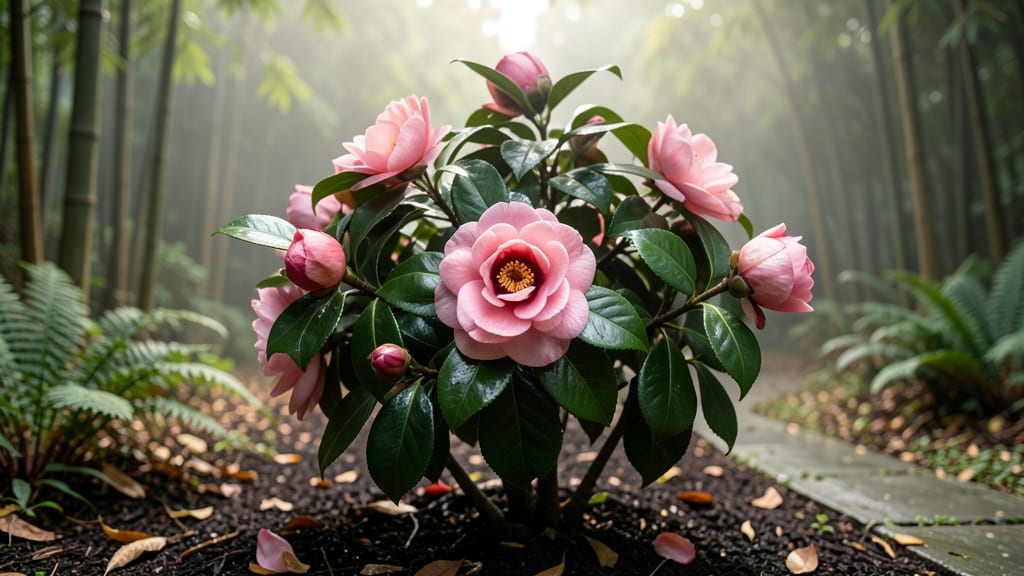
Camellias flower in late fall through early spring 🌸, with blooms lasting weeks and transforming your garden into a winter wonderland.
Wondering why your camellia bush isn’t blooming yet? Timing is everything—these stunning evergreens follow precise seasonal cues, and knowing when to expect flowers (and how to encourage them) can transform your garden from ordinary to extraordinary.
Most varieties, like the classic Camellia japonica, burst into bloom between December and March, while their fall-blooming cousins, such as Camellia sasanqua, light up gardens from October to November. But climate plays a big role—warmer zones may see earlier blooms, while colder areas might delay them until spring.
In this guide, you’ll learn how to predict your camellia’s bloom time based on your hardiness zone, spot the signs of healthy buds, and even nudge your plant to flower a little earlier (or later) with simple adjustments to sunlight and care.
Camellia flowering seasons by variety: spring vs. fall bloomers
Camellias are famous for their show-stopping flowers, but their bloom times vary dramatically by variety and climate. Knowing whether your plant is a spring or fall bloomer helps you plan for seasonal color and adjust care routines.
Let’s break down the key differences between Japanese camellias, Sasanqua camellias, and hybrids, plus how your local climate impacts timing.
Most gardeners assume camellias bloom in winter, but Japanese camellias (like Camellia japonica) typically flower from late fall to early spring, while Sasanqua camellias (like Camellia sasanqua) shine in late summer to fall.
Hybrid varieties can blur these lines, offering extended bloom seasons. Understanding these patterns ensures you don’t miss the spectacular displays these shrubs provide.
If you live in USDA Zones 7–9, you’ll likely see Japanese camellias bloom from November through March, with peak displays in December and January. These varieties thrive in cooler climates and often produce larger, more dramatic flowers.
In contrast, Sasanqua camellias are the fall stars, lighting up gardens from September to November with fragrant blooms that attract pollinators.
Climate plays a huge role in bloom timing. For example, in Zone 10, where winters are mild, Japanese camellias may bloom later or even skip winter dormancy entirely.
Meanwhile, in Zone 6, where winters are colder, these same varieties might bloom earlier to take advantage of shorter daylight hours. Always monitor your plant’s bud development—this is your best clue for predicting bloom windows.
Hybrid camellias, like the ‘Yuletide’ or ‘Donation’ varieties, often bridge the gap between fall and spring bloomers. These plants might produce two bloom cycles per year if conditions are ideal, giving you fall color followed by spring reblooms.
To encourage this, ensure your camellia gets consistent moisture and partial shade, especially during hot summers when stress can delay flowering.
One common mistake gardeners make is assuming all camellias bloom at the same time. Sasanqua camellias, for instance, often start flowering in late September, while Japanese varieties might not appear until December.
This staggered timing is why many gardeners plant both types—it creates a continuous display from fall through spring. For example, a ‘Yuletide’ Sasanqua might bloom in October, while a ‘Desire’ Japanese camellia follows in January.
To maximize your camellia’s bloom potential, pay attention to bud formation, which typically begins in late summer. If you notice buds swelling but not opening, it could signal stress from drought, poor soil, or improper pruning.
Adjust your care routine immediately—camellias are sensitive to soil pH (ideal: 5.0–6.0) and nutrient levels. A light feeding with an acid-forming fertilizer in early fall can encourage robust bud development for the following season.
In regions with hot, humid summers, like Zone 9 or 10, camellias may struggle to bloom if they don’t get enough rest during dormancy. Avoid heavy pruning in late summer, as this can stimulate new growth that won’t have time to harden off before winter.
Instead, prune right after blooming to shape the plant and remove dead wood, ensuring next year’s buds form properly.
If your camellia isn’t flowering on schedule, don’t panic. Factors like age, sunlight exposure, and recent stress can all delay blooms. Young camellias (under 3 years old) may not flower at all, while mature plants might take 1–2 years to recover from transplant shock.
For established plants, check for adequate sunlight (3–6 hours of partial shade) and well-draining, acidic soil. If your garden lacks these conditions, consider amending the soil with peat moss or pine bark to create the ideal environment.
Finally, remember that camellias are winter bloomers at heart, even if they start forming buds in summer. The key to predicting bloom times lies in understanding your local climate and variety. With the right care, your camellia can become a <
How to predict your camellia’s bloom time based on hardiness Zones
Your camellia’s bloom time isn’t set in stone—it’s heavily influenced by your USDA hardiness zone. In Zones 7–9, most varieties bloom from December through March, while Zone 10+ camellias often flower earlier, sometimes as early as October. Understanding these patterns helps you set realistic expectations and troubleshoot delays.
For example, Camellia sasanqua thrives in Zones 7–9 and typically blooms in late fall, while Camellia japonica favors Zones 7–10 and flowers in winter or early spring.
Warmer zones (like Zone 10) may see blooms as early as October, while cooler zones (like Zone 7) might delay flowers until February or March.
When Does a Camellia Flower?
- 🌿 Zone 7: Late December–March (spring blooms dominate)
- 🌸 Zone 8: November–February (fall/winter blooms possible)
- 🌷 Zone 9: October–January (earlier blooms in mild winters)
- ☀️ Zone 10+: September–December (fall blooms extend into winter)
Note: Sasanqua varieties bloom earlier than japonica types.
To predict your camellia’s bloom time, start by checking your last frost date. In Zones 7–9, blooms often begin 4–6 weeks after the first frost, while Zone 10+ camellias may flower before frost arrives.
For example, if your last frost is November 15, expect Camellia japonica to bloom around December 15–January 15.
If your camellia isn’t blooming on schedule, check for sunlight exposure. Camellias need partial shade (3–6 hours of sun daily), but too much direct sun (especially in Zones 9–10) can delay blooms. Move potted camellias to a spot with morning sun and afternoon shade to encourage earlier flowers.
Forcing earlier blooms in cooler zones (like Zone 7) involves winter protection. Apply a thick layer of mulch around the base and wrap young plants in burlap to shield them from harsh winds. This helps buds develop faster, often resulting in blooms 2–4 weeks earlier than usual.
In warmer zones (like Zone 10), delay blooms by providing afternoon shade during summer. This mimics cooler conditions and can push flowers to open later in the season. Avoid fertilizing in late summer, as excess nitrogen encourages leaf growth over blooms.
Finally, monitor your camellia’s bud development starting in late summer. Healthy buds should darken and firm up by fall—if they remain small or green, your plant may need more phosphorus-rich fertilizer or better drainage. Adjust care based on your zone, and you’ll enjoy timely, stunning blooms every season! 🌸