Plants
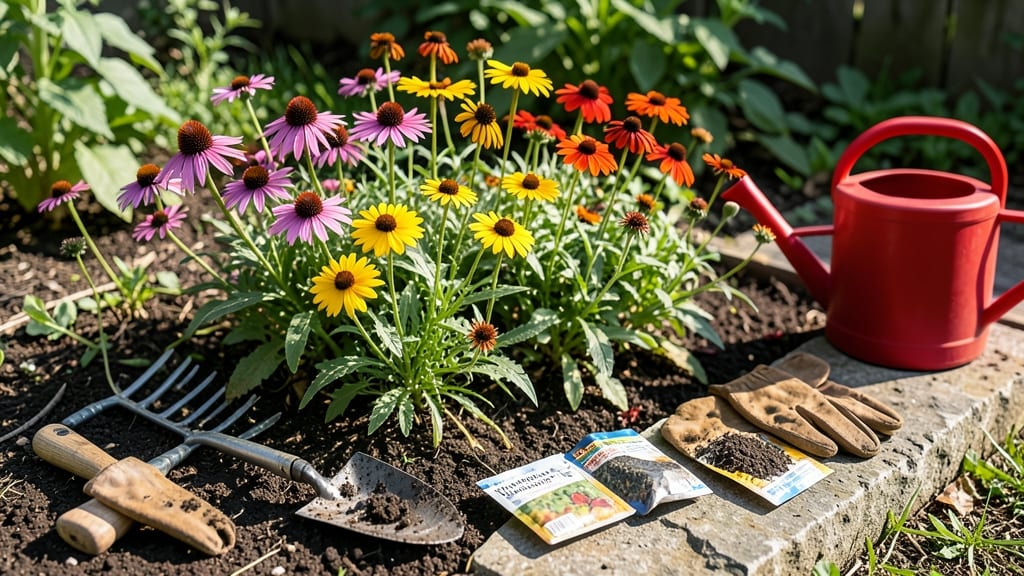
To plant wildflower seeds in Virginia at the right time means choosing between two ideal windows: late summer through early fall or early spring before the last frost 🌼.
Planting wildflower seeds at the wrong time in Virginia can mean wasted effort—and missed opportunities for vibrant meadows that attract pollinators and boost local ecosystems. Timing is everything, but with Virginia’s diverse climate zones and unpredictable frost patterns, knowing the exact window for success can be tricky.
Fall planting (August–October) gives seeds a head start, letting them establish roots before winter dormancy. Spring planting (March–April) catches the first warm spells, but late frosts in higher elevations like the Blue Ridge can still pose a risk if you wait too long.
Below, I break down the best months for each of Virginia’s zones, how to prep your soil for maximum germination, and which native wildflowers thrive when planted at the perfect moment.
Virginia wildflower planting calendar: month-by-month frost-free guide
Timing your wildflower planting in Virginia is critical—get it wrong, and you’ll face weak germination or lost seeds. The state’s five USDA climate zones (5a-8a) create wildly different frost patterns, from Coastal Plain’s mild winters to Blue Ridge’s late spring frosts.
My strategy? Plant when soil temps hit 60°F+ and frost risks drop below 10%, whether that’s spring’s early warmth or fall’s cooling rains.
Annual wildflowers like cosmos and zinnias thrive with spring planting (March-April), while perennials such as black-eyed Susans and purple coneflowers benefit from fall’s moisture-rich soil.
Below, I’ve mapped the ideal windows by month, including soil prep tips and zone-specific warnings to avoid common pitfalls like overwatering in summer or underestimating late frosts in higher elevations.
Pro Tip: Always check your local frost-free date (typically March 15-March 30 in most zones) via the National Weather Service or Virginia Cooperative Extension. For Zone 5a, add 2-3 weeks of buffer time—late frosts here can linger into May.
Best wildflowers for Virginia’s seasons: fast-growing vs. slow-blooming varieties
Virginia’s diverse climate zones mean you can enjoy wildflowers year-round, but the right species for your season and soil type makes all the difference 🌸. Fast-growing varieties like coreopsis and black-eyed Susan bloom within weeks, while slow-bloomers such as milkweed and coneflower take patience but reward you with long-lasting beauty.
Below, I’ve categorized my top picks by bloom season and growth speed, plus planting tips tailored to Virginia’s Piedmont and Coastal Plain regions.
For spring bloomers, focus on Virginia bluebells and wild columbine, which thrive in partial shade and moist soil. These shade-tolerant options are perfect for wooded areas where sun-loving varieties struggle.
Meanwhile, summer’s fast growers like coreopsis and beebalm burst into color within 6–8 weeks, making them ideal for instant meadows. Don’t overlook fall-blooming asters and goldenrod, which provide late-season nectar for pollinators before winter.
Here’s my curated list of Virginia-native wildflowers, organized by bloom time and growth speed, with planting tips for each:
For Virginia’s Piedmont region, prioritize drought-resistant varieties like black-eyed Susan and goldenrod, which thrive in well-draining soil and require minimal water once established. In the Coastal Plain, where humidity is higher, opt for moisture-loving options like swamp milkweed or cardinal flower, which handle occasional flooding.
Always scarify seeds (lightly scratch the seed coat) for better germination, especially in clay-heavy soils common across the state.
Pro tip: Mix fast growers with slow bloomers to create a meadow that thrives from spring through fall. For example, pair coreopsis (fast summer bloomer) with coneflower (slow but long-lasting) for continuous color. And don’t forget to avoid over-fertilizing—wildflowers thrive in lean soil, just like their native habitats 🌿.
If you’re planting in wooded areas, focus on shade-tolerant species like wild ginger or trillium. These beauties add texture and color to dappled-light gardens while supporting local ecosystems.
For maximum impact, aim to plant native wildflowers—they require less maintenance, attract more pollinators, and adapt better to Virginia’s ever-changing climate.