
Plants
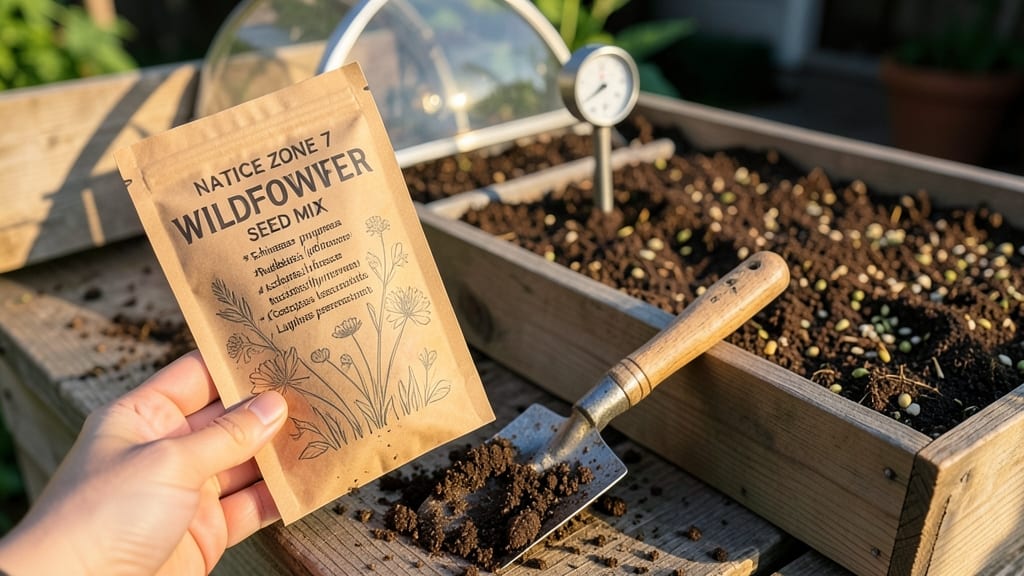
Planting wildflower seeds in Zone 7 at the right time ensures vibrant blooms 🌼 and fewer weeds fighting for space.
Struggling to get vibrant wildflowers blooming in your Zone 7 garden? Timing your seed planting—whether in spring or fall—can make the difference between a patchy meadow and a lush, colorful landscape.
Spring planting in Zone 7 works best from early March to April, when soil temperatures rise above 50°F and frost risks fade. Fall planting, however, offers a second chance from September to October, letting seeds establish roots before winter.
Below, I’ll break down the ideal windows, soil prep tricks, and microclimate tips to help you choose the best time for your wildflowers—so you can enjoy months of blooms without the guesswork.
Optimal wildflower seed planting times in Zone 7: spring vs fall breakdown
Timing is everything when planting wildflower seeds in Zone 7. Whether you choose spring or fall planting, understanding your local microclimate and soil conditions will determine whether your seeds sprout into a vibrant meadow or a disappointing patch.
Let's break down the best windows for each season, including soil temperature thresholds and moisture needs that make all the difference.
In Zone 7, both spring and fall offer prime opportunities, but each season presents unique challenges. Spring planting (early March to April) races against potential late frosts, while fall planting (late September to October) benefits from cooler temperatures and natural moisture.
The key is matching your planting window to your region's last frost date—typically around March 15 for spring and avoiding planting too close to the first frost (November 15) in fall.
Here's a quick comparison to help you decide which season aligns best with your gardening goals and local conditions:
Spring planting in Zone 7 requires patience and vigilance. Start seeds indoors in late February if you're eager for early blooms, or sow directly after your last frost date (typically mid-March). The soil temperature must stay above 50°F (10°C) for consistent germination.
I recommend using a soil thermometer to monitor conditions—seeds won't sprout if the ground is too cold. Water lightly but frequently to keep the soil moist until seeds establish roots.
Fall planting, on the other hand, offers a more forgiving window. Seeds sown in late September to early October benefit from cooler temperatures and natural rainfall, reducing the need for irrigation.
The key is planting early enough for seeds to germinate before the ground freezes but late enough to avoid summer heat stress. Aim for a 6-8 week window before your first frost date. This timing allows seeds to establish roots without competing with summer weeds.
Microclimate variations within Zone 7 can shift planting windows by 2-4 weeks. For example, gardens in western Zone 7 (like parts of California) may experience milder winters and later frosts, extending the fall planting window.
Meanwhile, eastern Zone 7 (like Virginia or North Carolina) might see earlier frosts, requiring earlier fall planting. Always check your local USDA Plant Hardiness Zone map and consult neighbors with similar gardens for insights.
One common mistake I see is planting wildflower seeds too deeply. Most wildflower seeds need only light pressure to contact the soil—burying them more than 1/4 inch can prevent germination.
After sowing, use a lightweight rake or your hands to press seeds into the soil, then water gently with a fine mist to avoid washing seeds away. Mulching with straw can help retain moisture and suppress weeds during the critical germination phase.
For Zone 7 gardeners, fall planting often yields better results for perennial wildflowers like black-eyed Susans or coneflowers, as they establish roots before winter. Spring planting shines for annuals like cosmos or sunflowers, which bloom quickly and provide instant color.
If you're unsure, try both seasons in small patches to see which works best in your specific microclimate.
Remember, the goal is to create a low-maintenance, pollinator-friendly garden. By choosing the right planting window and preparing your soil properly, you'll set the stage for years of vibrant blooms with minimal effort. Happy planting!
How to prepare your Zone 7 soil for wildflower seed germination
Wildflower seeds need the right conditions to sprout and thrive in your Zone 7 garden. The key is preparing your soil properly before planting—whether in spring or fall. I’ve found that well-prepared soil with the right pH and texture can double your germination success rate.
Let’s break down the essential steps to create the perfect seedbed for your wildflowers.
First, test your soil’s pH level—wildflowers prefer a slightly acidic to neutral range between 6.0 and 7.5. You can use a simple soil test kit from your garden center.
If your soil is too acidic or alkaline, amend it with lime (to raise pH) or sulfur (to lower pH) a few weeks before planting. This step is critical because native wildflowers in Zone 7 thrive in these conditions.
Next, remove all weeds and debris from your planting area. Weeds compete with wildflower seeds for nutrients and water, so a clean slate gives your new plants the best start. Use a hoe or rake to clear the area thoroughly.
If you’re working with compacted soil, consider aerating it with a garden fork or renting a core aerator. This helps seeds make contact with the soil and encourages root growth.
- Step 1: Test soil pH (aim for 6.0-7.5). Amend if needed with lime or sulfur.
- Step 2: Remove weeds and debris using a hoe or rake for a clean planting surface.
- Step 3: Aerate compacted soil with a garden fork or core aerator to improve seed-to-soil contact.
- Step 4: Loosen top 2-3 inches of soil with a rake or tiller for better seed penetration.
- Step 5: Spread a thin layer of compost (1/4 inch) to add nutrients without smothering seeds.
- Step 6: Choose native seed mixes adapted to Zone 7’s climate for best results.
After clearing the area, loosen the top 2-3 inches of soil with a rake or tiller. This helps seeds make contact with the soil and encourages strong root development. Avoid tilling too deeply, as wildflower seeds need to stay near the surface.
Once the soil is loose, spread a thin layer of compost (about 1/4 inch) over the area. This adds essential nutrients without smothering the tiny seeds.
Choosing the right wildflower seed mix is just as important as soil prep. Opt for native seed varieties adapted to Zone 7’s climate, such as black-eyed Susans, coneflowers, or milkweed. These plants are already suited to your region’s rainfall and temperature patterns, making them easier to grow.
You can find region-specific mixes at local nurseries or online retailers specializing in native wildflowers.
Finally, lightly rake the soil again to create a firm but not compacted surface. This helps seeds stay in place while allowing moisture to penetrate. Water the area gently but thoroughly before planting to settle the soil.
With these steps, your Zone 7 soil will be ready to welcome wildflower seeds and give them the best chance to germinate and grow into a vibrant meadow.
Once your soil is prepped, you’re ready to scatter your seeds and watch your garden transform into a colorful wildflower haven. Just remember: patience is key—some seeds may take a few weeks to sprout, but the results will be worth it! 🌼